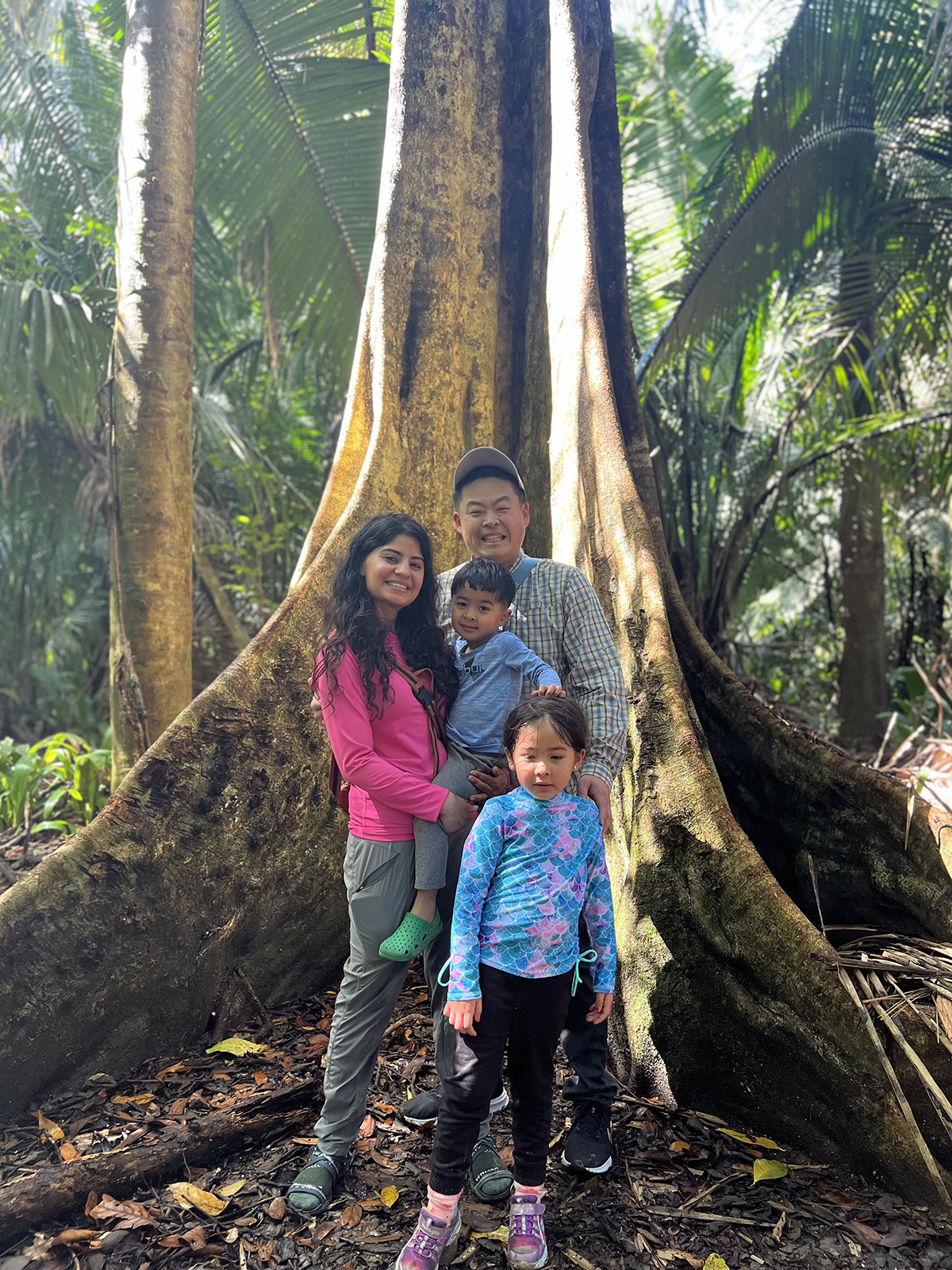
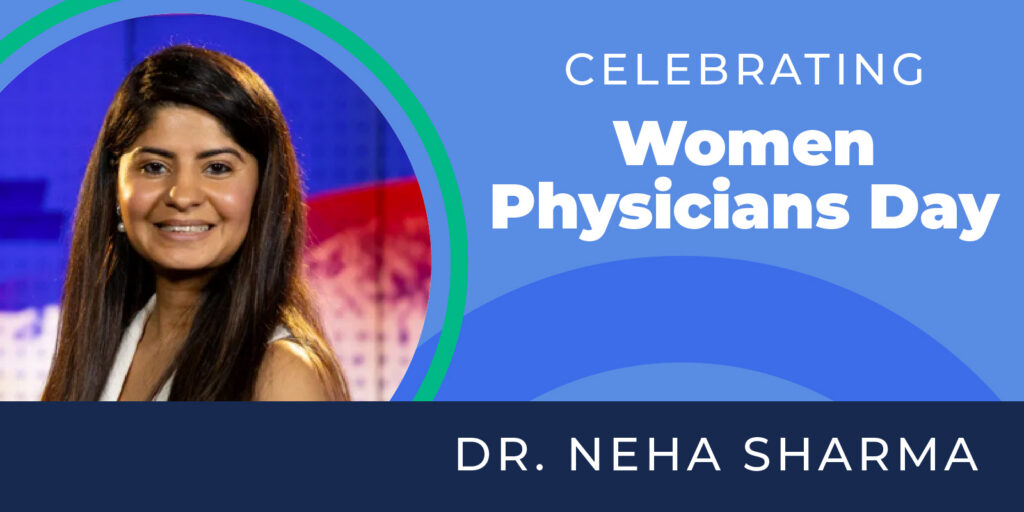
In honor of Women Physician Day, we’re proud to spotlight Dr. Neha Sharma, DO, Medical Director of Hospitalist Medicine at Emerus. Based in Colorado Springs, Dr. Sharma brings a unique blend of clinical leadership, creativity and storytelling to health care.
Beyond her work in medicine, Dr. Sharma has spent more than a decade as a medical news contributor, including a medical journalism internship with ABC News in New York City. A former columnist, she has written for newspapers, medical blogs, Medscape and national magazines, helping translate complex medical topics into meaningful conversations. When she’s not leading teams or writing, you can find her dancing with a Denver-based dance team.
Dr. Sharma’s multifaceted journey reflects the innovation, passion and impact women physicians bring to health care every day. We sat down with her and had a chance to ask her a few questions. Read more below!
How is Emerus adapting to the ever-evolving health care world, and what makes us thrive?
Emerus thrives because we are agile, innovative and deeply aligned with our clinical partners. We adapt by leveraging technology, tele-specialty services and data-driven decision-making to deliver high-quality care efficiently. What truly sets us apart is our culture – one that values collaboration, accountability and doing the right thing for patients and providers. That combination allows us not only to respond to change but to lead through it.
What inspired you to pursue a career in health care?
I was drawn to health care because it sits at the intersection of purpose and impact. The ability to influence patient outcomes while also shaping systems that support clinicians and communities really resonated with me. Over time, that interest evolved from individual patient care to a broader focus on how healthcare organizations function – and how strong leadership and culture can directly improve care delivery.
What unique opportunities does telemedicine and virtual care create for women in health care?
Telemedicine creates flexibility that has historically been difficult to achieve in traditional health care models, and that flexibility is especially impactful for women. It allows clinicians and leaders to balance demanding careers with family responsibilities without stepping away from meaningful, high-impact work.
Beyond flexibility, virtual care opens doors to leadership and innovation. Women can participate in clinical practice, operations, education and system design from anywhere, expanding access to roles that might otherwise be limited by geography or rigid schedules. It also creates more equitable pathways for career longevity, helping retain experienced clinicians who might otherwise leave the workforce.
Finally, telemedicine gives women a stronger voice in shaping the future of health care. As virtual models evolve, there is real opportunity to lead in redesigning care delivery, improving access for underserved populations, and building more inclusive, sustainable health care systems.
Do you have advice for young women (or anyone) considering a career in medicine or health care?
My biggest advice is to stay connected to your why. Health care is incredibly rewarding, but it’s also demanding, and having a clear sense of purpose helps you navigate the hard days and big decisions.
Seek out mentors early and often – especially people who will be honest with you, challenge you and advocate for you. At the same time, don’t be afraid to advocate for yourself. Your voice matters, whether you’re at the bedside, in the boardroom or somewhere in between.
Finally, remember that there is no single “right” path in health care. Clinical care, leadership, operations, innovation and virtual care are all meaningful ways to make an impact. Be open to opportunities that may not look traditional, and trust that your skills and perspective are valuable.
What made you choose Emerus?
I chose Emerus because of its clear mission and innovative approach to health care delivery. The model is forward-thinking, scalable and centered on doing what’s right for patients and providers – not just what’s traditional.